Explore Aluminum Foundry and its importance in large-scale aluminum casting
Wiki Article
The Function of Aluminum Foundry in Enhancing Manufacturing Effectiveness Across Diverse Sectors
Aluminum shops serve a necessary function in contemporary production by boosting manufacturing efficiency throughout various fields. They harness advanced strategies and sustainable methods to maximize workflows and lessen waste. The effect of Aluminum reaches sectors such as vehicle, aerospace, and building, where its one-of-a-kind buildings enhance performance. Nevertheless, the challenges dealt with by these factories can form their future. Understanding these dynamics reveals an intricate landscape of innovation and adaptationThe Significance of Aluminum in Modern Production
The convenience of Aluminum allows a large range of fabrication strategies, including extrusion, spreading, and machining. Furthermore, its recyclability better emphasizes its value, as recycled Aluminum requires substantially less power to produce than new Aluminum, straightening with contemporary environmental goals. As sectors continue to advance, Aluminum's one-of-a-kind attributes and versatility assure it remains an important material for driving innovation and effectiveness in producing procedures. Its contributions prolong past functionality, supporting financial growth and sustainability efforts throughout the world.
Key Procedures in Aluminum Foundries
In Aluminum shops, several essential procedures are vital for attaining high production effectiveness. Thawing and alloying strategies, along with molding and casting techniques, play an essential role in shaping the last item. Additionally, executing rigid top quality control gauges guarantees that the outcome satisfies market criteria.Thawing and Alloying Strategies
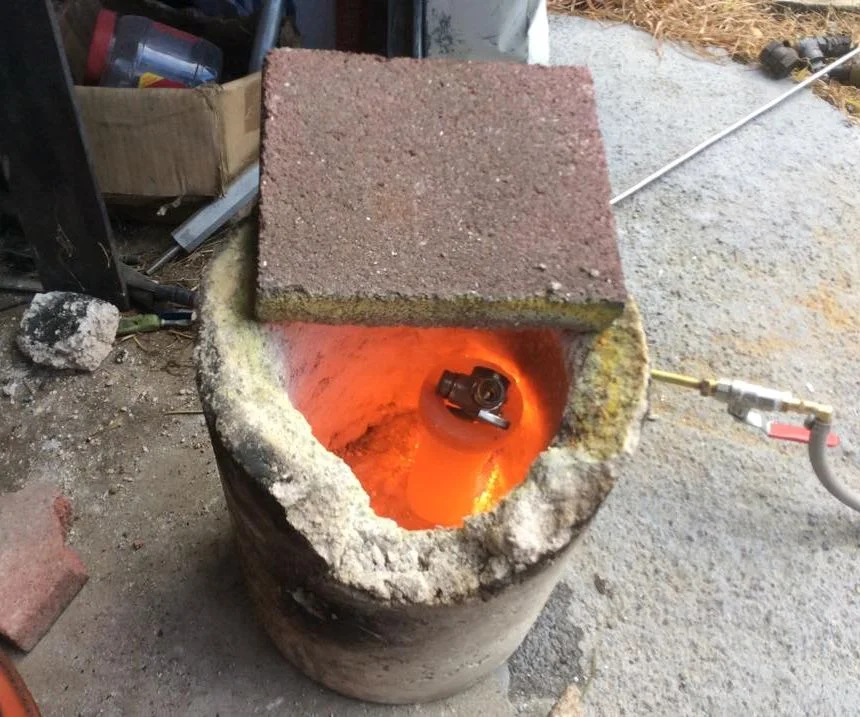
Melting and alloying are essential procedures in Aluminum factories, their effectiveness considerably influences overall manufacturing top quality and price. The melting procedure typically includes using gas-fired systems or electric furnaces, which enable accurate temperature control. This guarantees that Aluminum reaches its perfect melting point, minimizing power usage. Alloying, on the various other hand, involves the addition of specific components to attain preferred material buildings, such as toughness and rust resistance. Strategies such as pre-alloying and in-situ alloying are generally utilized to improve consistency and lower waste. Cautious tracking during both melting and alloying phases is essential, as it straight influences the product features and warranties compliance with industry requirements, inevitably bring about improved production performance across numerous industries.Molding and Casting Methods
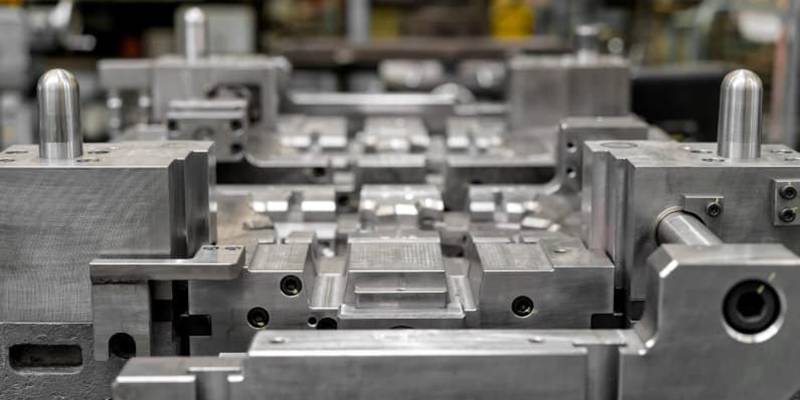
A selection of molding and casting approaches are important to the effectiveness and high quality of Aluminum foundries. Amongst these methods, sand spreading, die casting, and irreversible mold casting attract attention because of their unique benefits. Sand casting offers versatility for intricate shapes and is cost-efficient for low production quantities. Pass away casting, recognized for its precision and repeatability, is ideal for high-volume manufacturing, offering superb surface finishes and dimensional precision. Irreversible mold spreading incorporates the benefits of both sand and pass away spreading, enabling far better mechanical properties and minimized product waste. Each method offers details applications across varied industries, allowing Aluminum shops to optimize production processes, reduce lead times, and satisfy differing consumer demands successfully.Quality Control Procedures
Ensuring high-quality Aluminum products requires extensive high quality control actions at every stage of the Foundry process. These steps begin with the choice of resources, where detailed testing for impurities and make-up is essential. Evaluations during the molding and casting stages keep track of dimensions and surface quality to protect against issues as soon as materials are approved. Advanced techniques, such as non-destructive screening, are used to find inner flaws that might endanger product integrity. In addition, process control systems constantly monitor temperature and alloy composition to preserve consistency. Last assessments, including mechanical residential property screening, verify that the products fulfill sector requirements. By implementing these rigid quality assurance procedures, Aluminum foundries boost production effectiveness and guarantee the reliability of their items across varied markets.Advancements Driving Production Performance
Developments in Aluminum foundries are reinventing manufacturing efficiency via sophisticated spreading methods and the assimilation of automation and robotics. These growths not just streamline operations yet likewise enhance accuracy and decrease waste. In addition, sustainable product innovations are adding to even more eco friendly methods within the sector.Advanced Spreading Techniques
Many sophisticated spreading techniques are transforming the Aluminum Foundry sector, significantly enhancing production effectiveness. Approaches such as die casting, sand casting, and financial investment casting have progressed, permitting for enhanced precision and decreased waste. Technologies like computer-aided design (CAD) and simulation software application allow shops to maximize mold and mildew design and anticipate possible concerns prior to manufacturing, reducing expensive mistakes - Aluminum Foundry. In addition, the usage of alloy development strategies improves material residential or commercial properties, causing items that satisfy rigorous efficiency needs. Strategies such as quick prototyping and 3D printing are also acquiring traction, facilitating faster turnaround times for complex geometries. These developments not only improve production procedures but also add to sustainability initiatives by lowering power intake and boosting product use in the Aluminum spreading market
Automation and Robotics Assimilation
The assimilation of automation and robotics in the Aluminum Foundry market is revolutionizing manufacturing performance. By utilizing advanced robot systems for tasks such as molding, putting, Aluminum Foundry and ending up, shops are significantly reducing labor prices and decreasing human error. Automated procedures improve assembly line, enabling for faster turnaround times and regular quality in made elements. In addition, the application of real-time surveillance systems allows drivers to track efficiency metrics and optimize process proactively. Robotics additionally improves safety and security by taking over unsafe tasks, thereby minimizing office mishaps. As the modern technology remains to advance, the Aluminum Foundry market is positioned to leverage these technologies further, making certain competition and responsiveness in an increasingly requiring market.
Lasting Material Innovations
As the Aluminum Foundry market looks for to boost production effectiveness, lasting product developments are becoming a crucial element. These technologies include the development of environment-friendly alloys and using recycled Aluminum, considerably decreasing the ecological effect of production processes. Advanced strategies, such as additive production and green casting techniques, allow shops to decrease waste while improving material buildings. In addition, the assimilation of bio-based binders and coverings leads to much healthier workplace and lowers emissions. The fostering of life process analysis devices more help shops in determining sustainability possibilities, lining up with worldwide patterns toward accountable manufacturing. These innovations not only enhance manufacturing performance yet likewise position the Aluminum Foundry sector as a leader in sustainable industrial practices.Ecological Sustainability in Aluminum Casting
While Aluminum casting has actually long been a staple in production, its environmental impact has actually triggered a shift in the direction of even more sustainable methods. Lots of factories are now taking on green methods to decrease waste and energy usage. By utilizing recycled Aluminum, shops significantly reduce the demand for virgin materials, thereby decreasing and saving natural resources greenhouse gas exhausts.Advancements such as advanced melting modern technologies and enhanced furnace designs in addition improve power effectiveness. Furthermore, carrying out closed-loop systems permits the recycling of byproducts and scraps, decreasing landfill payments. Additionally, using water-based finishings and biodegradable materials in the spreading procedure decreases dangerous emissions and ecological toxins.
As markets significantly focus on sustainability, the Aluminum casting industry is aligning with these values, demonstrating that economic development and ecological responsibility can coexist. This commitment to lasting techniques not just benefits the environment however likewise positions Aluminum factories as leaders in liable production.
Applications of Aluminum Elements in Different Industries
Aluminum parts are increasingly utilized across different markets because of their special homes, that include lightweight stamina, corrosion resistance, and superb thermal conductivity. In the vehicle industry, Aluminum is necessary for generating lighter vehicles, contributing to improved fuel efficiency and reduced emissions. The aerospace industry leverages Aluminum alloys for aircraft components, taking advantage of their high strength-to-weight proportion, which improves performance and safety.In building and construction, Aluminum is favored for home windows, doors, and roof covering as a result of its longevity and visual charm. The electric market utilizes Aluminum in power lines and components, capitalizing on its conductivity and resistance to deterioration. Furthermore, the consumer items sector utilizes Aluminum in packaging and household items, promoting sustainability through recyclability (Aluminum Foundry). Overall, Aluminum parts play a critical duty in progressing technological technologies and functional effectiveness across varied industries, highlighting their significance in modern-day manufacturing and design
Obstacles Dealt With by Aluminum Foundries
Numerous obstacles confront Aluminum shops, impacting their performance and efficiency. One significant problem is the volatility of basic material rates, which can vary unexpectedly, affecting functional expenses and earnings margins. Furthermore, foundries usually come to grips with stringent environmental regulations, needing costly financial investments in lasting methods and waste management systems. Labor lacks existing one more difficulty, as the competent labor force needed for specialized processes comes to be increasingly limited, leading to prospective hold-ups and quality control issues.Technological combination poses challenges; factories have to continually adapt to developments in automation and digital devices to stay competitive. Inefficiencies in production processes, such as poor melting and spreading strategies, can also hinder outcome. Lastly, the demand for customized solutions across different sectors pressures shops to stabilize adaptability with performance, making complex manufacturing timetables. Together, these difficulties produce a complex landscape that Aluminum foundries must navigate to boost their total performance.
Future Fads in Aluminum Foundry Modern Technology
As the Aluminum Foundry market progresses, emerging technologies are set to change manufacturing processes and enhance performance. Technologies in automation, such as robotics and synthetic intelligence, are expected to simplify procedures, decrease labor costs, and boost accuracy. In enhancement, advancements in 3D printing innovation will certainly enable for the fast prototyping of complex Aluminum parts, lowering lead times and material waste.Furthermore, the integration of IoT (Net of Points) will certainly make it possible for real-time tracking of production procedures, permitting anticipating maintenance and decreasing downtime. Sustainability will also play an essential role, with a boosting concentrate on recycling and energy effectiveness in Foundry procedures.
Often Asked Inquiries
What Are the Prices Related To Aluminum Foundry Production?
The expenses connected with Aluminum Foundry manufacturing consist of raw material expenses, labor costs, energy usage, upkeep of equipment, and overhead. These aspects jointly affect the total economic viability and effectiveness of the Foundry procedures.Just How Do Foundries Make Certain Quality Control in Aluminum Casting?
Foundries guarantee quality assurance in Aluminum spreading through rigorous testing protocols, including material analysis, dimensional evaluations, and process tracking. Carrying out standard procedures and using advanced innovations assists preserve consistency and meet industry requirements throughout manufacturing.What Precaution Are Implemented in Aluminum Foundries?
Security procedures in Aluminum factories include individual safety tools, appropriate ventilation systems, regular safety and security training, emergency situation procedures, and equipment upkeep. These methods aim to minimize threats, making certain the health of workers and maintaining operational efficiency.Just how Lengthy Does the Aluminum Casting Refine Commonly Take?
The Aluminum spreading process normally takes a number of hours to several days, relying on aspects like the complexity of the layout, the size of the cast, and the particular strategies utilized by the Foundry.What Skills Are Required to Operate In an Aluminum Foundry?
To operate in an Aluminum Foundry, individuals need abilities such as metallurgy understanding, machining proficiency, interest to detail, analytic abilities, and synergy. Security awareness and technical competence in casting processes are also essential for efficient operation.Its recyclability additionally underscores its value, as recycled Aluminum requires substantially less power to produce than new Aluminum, straightening with contemporary ecological objectives. A variety of molding and spreading methods are important to the efficiency and high quality of Aluminum shops. Innovations in Aluminum factories are reinventing production efficiency via advanced casting strategies and the assimilation of automation and robotics. Numerous sophisticated spreading strategies are transforming the Aluminum Foundry market, substantially boosting production effectiveness. Factories assure quality control in Aluminum casting with strenuous screening methods, consisting of product evaluation, dimensional evaluations, and process tracking.
Report this wiki page